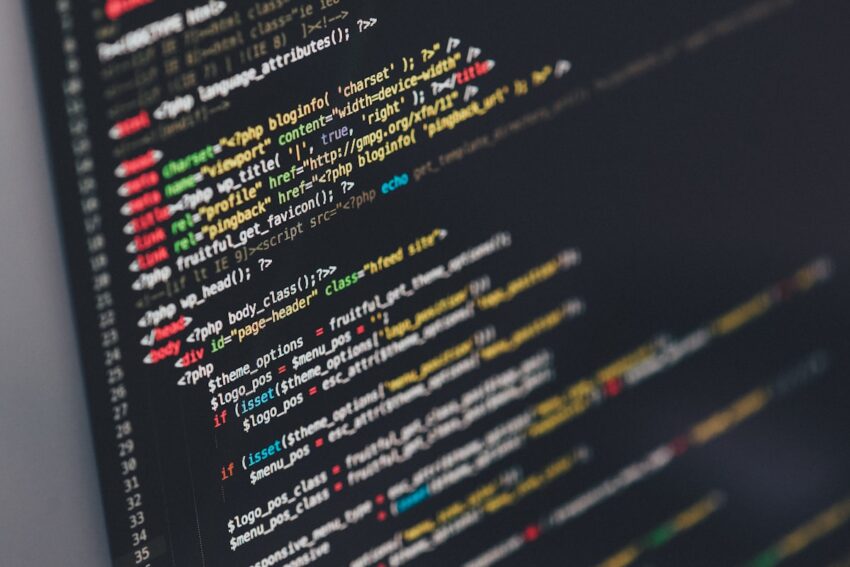
Four hours. That’s how long I stared at my screen, questioning my career choices, debug logs flooding my terminal, and genuinely considering whether I should just become a farmer.
The bug? A simple API endpoint returning 500 errors in production. Nothing special. Just another day in the life of a backend developer.
What Happened
It started around 2 PM. A user reported they couldn’t save their profile. I opened the logs, saw the error, and jumped into debugging mode.
First, I checked the database connection. Fine. Then the request payload. Looks good. I added more logging. I restarted the server. I added even more logging. I restarted again. (You see where this is going.)
The error message kept pointing to a specific function. I read through that function line by line. I printed variables. I checked every conditional. I verified every database query.
Nothing made sense. The code looked correct.
The Moment I Wanted to Throw My Laptop
After three hours of this, I called my teammate. We pair-debugged for another 30 minutes. He stared at the same code. We both shrugged.
Then, out of pure frustration, I copied the function into a different file to test it in isolation. I typed it out manually instead of copy-pasting.
And there it was. A tiny red squiggle under one line.
A missing semicolon. That’s it. That’s what had been breaking production for four hours.
Wait, How Does That Even Happen?
Here’s the thing — it wasn’t a JavaScript file where a missing semicolon might cause weird behavior. It was Python. And in Python, a missing semicolon doesn’t matter… except when it does.
Let me explain. The actual bug was subtle. The line before had an implicit concatenation that only worked because of how the next line was parsed. When I fixed the missing semicolon (which was actually a missing line break that got collapsed), everything worked.
Still with me? The point is: it wasn’t really about the semicolon. It was about how I approached the problem.
What I Learned
Here’s the thing I keep thinking about: I wasted four hours because I was too close to the problem. I kept looking at what I thought was there, not what actually was.
Copy-paste blindness is real. When you copy code from somewhere and modify it, your brain fills in what it expects to see. You stop actually reading.
Now when I’m stuck on a weird bug, I do a few things differently:
- Take a real break. Not just switching tabs — walk away. Get coffee. The answer often comes when you’re not looking.
- Type it out. If something’s not making sense, I retype the problematic code manually. You’ll be surprised what you catch.
- Explain it to someone (or a rubber duck). Not to get help, but because explaining forces you to actually read the code.
- Check the obvious things first. I know, I know. But I still forget.
The Real Lesson
You know what’s funny? After those four hours, I felt embarrassed. Then I realized every developer has a story like this. We all have that bug that turned out to be something stupid.
The difference between junior and senior developers isn’t that seniors don’t make these mistakes. It’s that they know how to get unstuck faster.
So the next time you’re staring at code for hours, remember: sometimes the bug is exactly as stupid as you think it is. Take a breath. Retype it. Walk away. You’ll figure it out.
And if all else fails — go touch some grass. It helps.